
The Ledger of Blood: Why Spartacus Was the Exception, Not the Rule
Discover how the high cost of training and maintaining Roman gladiators turned the arena into a carefully calculated business rather than a senseless slaughterhouse.

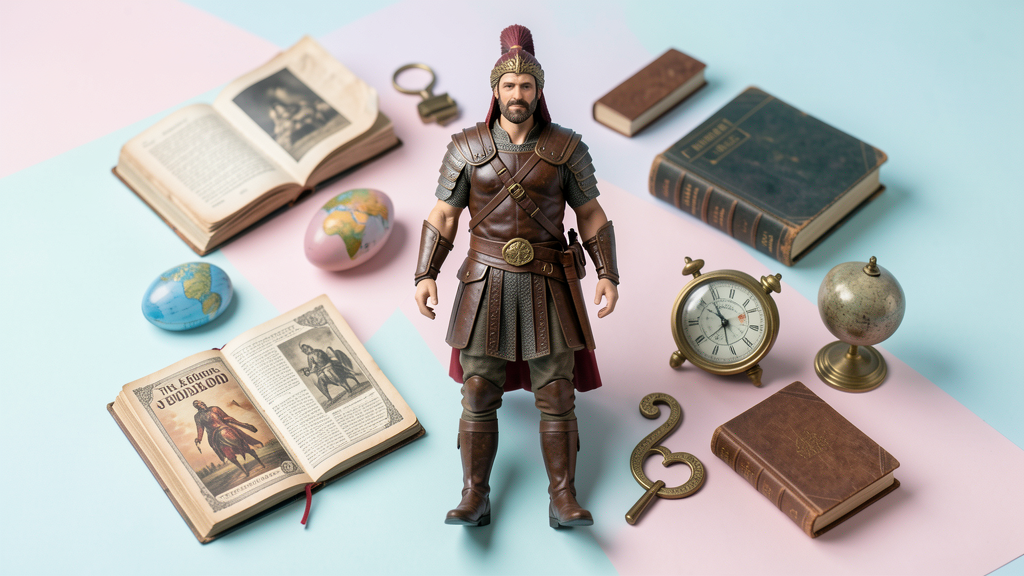
The cinematic image of the Roman arena is indelible: two men enter, one man leaves, and the roar of the crowd demands blood. Modern storytelling, from Stanley Kubrick’s Spartacus to Ridley Scott’s Gladiator, relies on the visceral thrill of the "fight to the death." It is a tidy, dramatic package. It is also, for the most part, a fabrication.
The historical reality of the gladiatorial games (munera) was not one of indiscriminate slaughter but of high-stakes entertainment management. To understand why Spartacus and his revolt were such anomalies, we must stop viewing the arena through the lens of moral depravity and start viewing it through the lens of an accountant’s ledger. The men who fought were not disposable props; they were significant capital investments.
Here is the process of dismantling the myth to reveal the brutal business logic underneath.
1. Forget Everything You Know About the Final Salute
The first mental hurdle is discarding the famous phrase Ave, Caesar, morituri te salutant ("Hail, Caesar, those who are about to die salute you"). It appears exactly once in Suetonius’s The Twelve Caesars, spoken by a specific fleet of convicts (naumachiarii) during a staged naval battle on a lake, not by professional gladiators. Professional fighters were rarely condemned criminals (noxii). They were athletes, slaves purchased specifically for combat potential, or free volunteers (auctorati) who signed contracts to seek fame and debt relief.
If you approach the history expecting death row inmates executed for sport, the economics will never make sense. Instead, view the gladiator as we view a modern Formula 1 car or a premier league striker: expensive, specialized, and difficult to replace. The lanista (the owner of the gladiator school) did not buy a man just to kill him in his first match. That would be financial insanity.
2. Calculate the Cost of a Professional Fighter
To grasp the reluctance to kill, we must look at the price tag. In the late Roman Republic, a standard unskilled laborer might cost 500 to 1,500 sesterces. A trained gladiator, however, was a different asset class entirely.
The training regimen was grueling and lengthy. A recruit (tiro could be a secutor, * retiarius*, or thraex, required expensive equipment—bronze helmets, arm guards (manicae), and specific weaponry.
Modern historians estimate that maintaining a gladiator could cost upwards of 30,000 sesterces a year for food, medical care, and housing. This was a massive sum. To put it in perspective, a Roman soldier under Augustus earned roughly 900 sesterces annually. A lanista was effectively burning the salary of thirty soldiers every year just to keep one school running. Killing a fighter in the first round was akin to a tech startup burning through its seed capital on a product launch that never hits the market.

The financial risk taken by lanistae mirrors the precariousness of later speculative markets. Just as a reckless wager in a Dutch tavern accidentally created the first economic bubble, the entire gladiatorial industry balanced on the edge of solvency, relying on the survival of its key assets.
3. Recognize the Role of the Third Man in the Ring
If the goal was to protect the investment, the fights could not be lawless brawls. They needed strict officiating. Enter the summa rudis, the senior referee.
Contrary to the "anything goes" violence depicted on screen, the arena was governed by rules. The summa rudis carried a long staff (the rudis) to intervene. His job was to ensure the fight was entertaining but controlled. He could pause the match to allow fighters to rest, separate them if they were grappling too closely to the wall, or stop the fight entirely if one fighter was clearly outmatched but still alive.
The presence of a referee implies an agreement: the audience wanted a missio (dismissal) as often as they wanted a death. A dead gladiator generates no revenue for next week's games. A defeated but living gladiator could be brought back, his rivalry hyped, and tickets sold again.
4. Decipher the Crowd's Complex Signal
The most persistent myth involves the thumbs—up for life, down for death. The reality is debated, but the nuance is what matters here. The crowd, and ultimately the editor (the game's sponsor), held the power of life and death. However, killing a popular or skilled fighter was rare because it robbed the spectators of future entertainment.
If a fighter fought bravely but was disarmed or wounded, the crowd would often chant Missus! ("Dismissed!"). The referee would then stop the fight, and the loser would survive to fight another day. The "thumbs down" (or pollice verso—which may have actually meant thumb pointing toward the chest to signal the sword) was usually reserved for cowardice or incompetence.
We often fall prey to cognitive biases that make us terrible at managing money by undervaluing sunk costs. The Roman crowd, however, was surprisingly rational about this. They understood that the "sunk cost" of training the man on the sand was high, and they usually preferred to see that asset amortized over future games rather than liquidated immediately.
5. Analyze the Economics of the Third Servile War
This brings us to Spartacus. In 73 BC, Spartacus and seventy other men broke out of the ludus of Lentulus Batiatus in Capua. Why was this revolt so shocking? It wasn't just because slaves rose up; it was because gladiators—the most expensive, dangerous, and tightly controlled slaves—rose up.
Spartacus was likely a veteran of the Roman auxiliary forces before his enslavement, a man with high market value. The rebellion threatened a massive financial infrastructure. The Roman Senate did not send just any army to hunt them down; they sent praetors and eventually consuls because the disruption to the games and the property losses of the lanistae were a significant blow to the social order.
The myth of Spartacus frames him as a freedom fighter seeking purely liberty. While that is true, the reality of his followers was that they were skilled laborers in the death trade who knew their own market value. They refused to die in the arena not because of cowardice, but because their lives had a negotiated price tag that their owners were failing to honor. When you view the revolt as a hostile takeover of assets by the assets themselves, the dynamics of the war shift.
The Final Ledger
The Roman arena was a grotesque theater, yes, but it was a business first. The reason we remember the deaths and forget the economics is that blood is more dramatic than a balance sheet. Hollywood focuses on the tragedy of the end, while history focuses on the maintenance of the means.
The real violence of the gladiatorial games wasn't that everyone died; it was that very few were allowed to live free. The lanista protected the gladiator's life not out of benevolence, but to extract the maximum return on investment. When we strip away the myth, we are left with a colder truth: the Romans didn't want their gladiators to die because a living slave was profitable, and a dead one was just a disposal fee.
Read next
How Did a Simple Bet in a Dutch Tavern Spark History’s First Financial Crash?
Discover how a casual drink between merchants turned into a 'wind trade' that shattered the Dutch Golden Age economy.

5 Cognitive Biases That Make You Terrible at Managing Money
Identify the specific mental glitches costing you thousands every month and learn when to override your instincts.