
The Indestructible Genome: How Water Bears Cheat Death
Discover how tardigrades use a unique protein shield and suspended animation to withstand extreme temperatures and radiation, redefining the biological limits of survival.

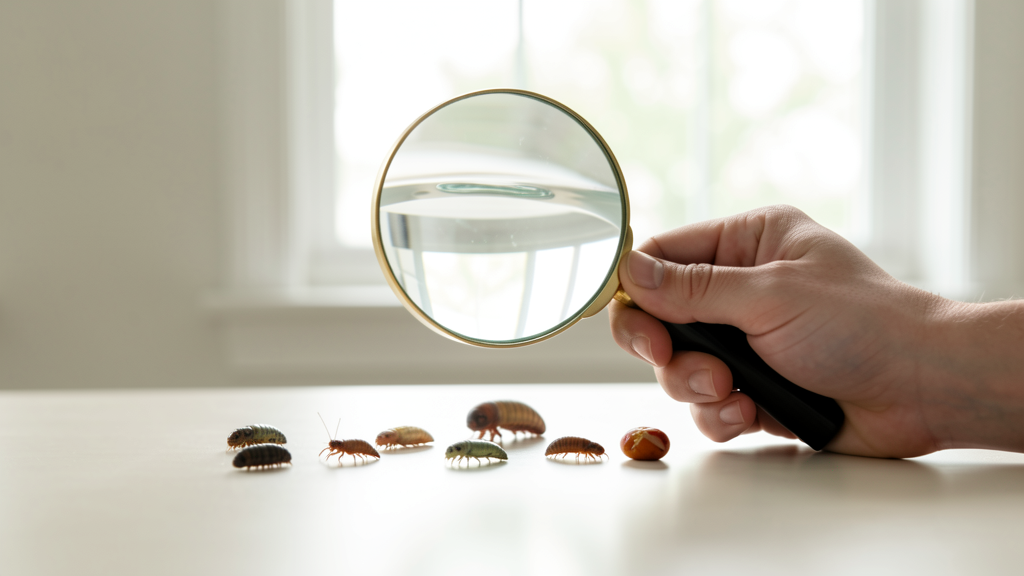
Survival on Earth usually exists within a narrow, temperate window. Most complex organisms unravel rapidly if pushed beyond a few degrees of their thermal baseline. Biological chemistry is fragile; enzymes denature, membranes dissolve, and genetic information snaps under stress. Yet, in the microscopic mosses and lichens of your backyard, lives an anomaly that treats these rules as mere suggestions. The tardigrade, often called the water bear, does not just endure the boiling or freezing that would kill almost anything else. It fundamentally alters its own biology to preserve the integrity of its genetic code.
The reader looking for the hard limits of terrestrial life will find them suspended in the tardigrade’s ability to pause its metabolism. These eight-legged micro-animals are roughly half a millimeter long, but their capacity for survival is gargantuan. They have been revived from moss samples frozen in Antarctic ice for three decades. They have survived the vacuum of space and exposure to radiation levels hundreds of times higher than the lethal dose for humans. The secret lies not in being tough, but in becoming non-existent, biologically speaking, for a period.
Suspended Animation: The Secret of the Tun State
When environmental conditions become lethal—whether due to extreme dehydration, freezing temperatures, or toxic salinity—the tardigrade initiates a process called cryptobiosis. This is not hibernation. In hibernation, an animal’s metabolism slows down, but physiological processes continue. In cryptobiosis, the animal effectively stops living. The tardigrade retracts its head and legs, expels nearly all water from its body, and curls into a barrel-shaped configuration known as a "tun."
Inside this tun, the water bear replaces the moisture in its cells with a type of sugar called trehalose. This sugar acts as a molecular glass, solidifying the cell's internal structure and preventing the formation of ice crystals that would shred cellular membranes. For decades, the tun can sit in a state of suspended animation. It shows no signs of life—no heartbeat, no movement, no detectable metabolic activity. It is a biological pause button that defies our standard definitions of life and death.
However, simply drying out is not enough to guarantee survival when radiation or extreme heat is involved. While the tun state protects the cell's physical structure, the nucleus remains vulnerable. DNA, the blueprint of life, is susceptible to double-strand breaks caused by hydroxyl radicals, which are often generated by radiation or intense heat. If the DNA shatters while the animal is in the tun state, rehydration would be impossible; the water bear would wake up dead.
How Dsup Acts as an Invisible Shield
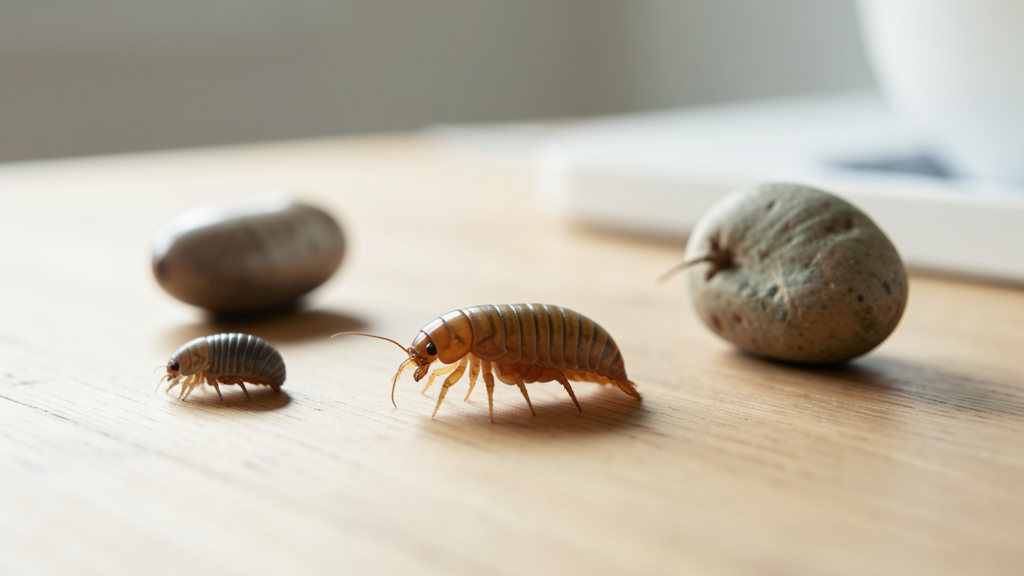
This is where the mechanism shifts from simple physics to advanced molecular biology. In 2016, researchers identified a specific protein unique to tardigrades that provides a level of genetic protection previously unseen in the animal kingdom: the Damage Suppressor protein, or Dsup. While other creatures have to rely on rapid repair mechanisms to fix DNA after it breaks, tardigrades use Dsup to prevent the breakage in the first place.
Dsup functions like a microscopic shield or a blanket for the genome. It binds to nucleosomes—the spools around which DNA is wound—and physically covers the genetic material. When hydroxyl radicals or other harmful agents attempt to strike the DNA, they often hit the Dsup protein instead. Studies suggest that Dsup can reduce radiation-induced DNA damage by approximately 40% to 50% compared to human cells exposed to the same conditions. This protection is crucial because it preserves the integrity of the tardigrade's genetic information while it waits in the tun state for favorable conditions to return.
While Dsup is the star of the show, the tardigrade also possesses exceptionally efficient DNA repair enzymes. If damage does slip past the shield, these enzymes rush to splice the DNA back together almost immediately upon rehydration. This combination of proactive shielding and reactive repair creates a redundancy that makes the water bear’s genome incredibly resilient.
The Evolutionary Cost of Near-Immortality
It is tempting to view the tardigrade as a biological perfection, but as a psychologist observing evolutionary traits, I see a fascinating trade-off. These mechanisms did not evolve to make tardigrades immortal superheroes; they evolved as a desperate survival strategy for unstable environments. The energy required to produce Dsup and the physiological stress of entering and exiting the tun state are significant.
Furthermore, tardigrades are not invincible. While they can survive boiling, freezing, and radiation, they are still susceptible to biological predators and sudden, drastic changes that occur faster than they can desiccate. They occupy a specific niche, much like the Crocodile vs Alligator: Which is the True Apex Predator of the River? occupies its own. Their survival strategy is highly specialized for environmental endurance, not combat or dominance.
The existence of Dsup and cryptobiosis forces us to reconsider the fragility of life. It demonstrates that survival is not always about strength or speed, but about control over one's own biological state. Just as If Mushrooms Aren't Plants, Why Do We Still Put Them in the Salad Aisle? challenges our taxonomic assumptions, tardigrades challenge our physiological assumptions.
Rethinking the Boundaries of Biology
The implications of this research extend far beyond moss patches. Scientists have already begun experimenting with introducing Dsup into human cells in vitro, resulting in increased radiation resistance. This does not mean we will soon be engineering humans to survive the vacuum of space, but it offers promising avenues for protecting cells during cancer treatments or preserving cellular samples for transport without complex freezing equipment.
Understanding the tardigrade’s strategy reveals a profound truth about life on Earth: it is far more malleable than we give it credit for. The water bear does not fight the elements with brute force; it surrenders to them, wrapping its most precious asset—its DNA—in a protective cloak until the storm passes. In a universe defined by entropy and decay, the tardigrade is a quiet, microscopic proof that life can hold itself together, even when the world tries to tear it apart.
Read next
Crocodile vs. Alligator: Which is the True Apex Predator of the River?
By analyzing salinity tolerance and bite force mechanics, we determine which reptilian giant truly commands the waterways.

If Mushrooms Aren't Plants, Why Do We Still Put Them in the Salad Aisle?
Discover why the grocery store defies scientific taxonomy by shelving fungi with vegetables, and what this reveals about the clash between biology and human habit.